INVESTMENT MARKET UPDATE
MAY 2026
What developments have unfolded in local and global markets throughout the month of MAY?
 $135
$135
The planned IPO price of SpaceX shares
 93 Days
Since the Iranian war started and Strait of Hormuz closed
 R1.43 Increase
Taking the price per litre of unleaded 95 to R23.96

CHROME - MAY COMMENTARY:
GLOBAL MARKETS
__________________
🌐 When optimism outweighs uncertainty: AI momentum, record highs, and geopolitical resilience
May was a strong month for global markets, with investors embracing risk despite ongoing geopolitical tensions and persistent inflation concerns. Equity markets surged higher, driven by optimism around artificial intelligence, strong corporate earnings and continued investment in technology infrastructure.
US markets led the advance, with both the S&P 500 and Nasdaq reaching new record highs. Technology companies remained at the centre of investor attention, benefiting from improving earnings expectations and continued enthusiasm for AI-related spending. Market excitement was further fuelled by the long-awaited SpaceX IPO filing, one of the largest anticipated listings in history, which boosted sentiment across the broader innovation and space sectors.
Emerging markets were the standout performers during the month. Strong demand for semiconductors, memory chips and AI infrastructure supported significant gains, particularly across Asia, as investors sought exposure to the next phase of the AI investment cycle. The MSCI Emerging Markets Index rose sharply, led by Taiwan and South Korea.
Geopolitical risks remained elevated as the US-Iran conflict continued without a clear resolution. However, contrary to expectations, oil markets proved remarkably resilient. Higher inventories, weaker demand and reduced Chinese imports helped offset supply concerns, allowing oil prices to fall significantly over the month. This eased some inflationary pressure and provided support for risk assets.
While equity markets rallied, bond markets experienced increased volatility. Investors wrestled with the implications of elevated inflation and the possibility that interest rates may remain higher for longer. The appointment of new Federal Reserve Chair Kevin Warsh reinforced expectations for policy continuity, with central banks maintaining a cautious stance as inflation concerns persisted.
For investors, May demonstrated the market’s ability to look beyond near-term uncertainty and focus on longer-term growth opportunities. While strong momentum, AI-driven enthusiasm and resilient economic conditions continue to support markets, elevated valuations, persistent inflation and unresolved geopolitical risks reinforce the importance of maintaining diversified portfolios and staying disciplined through market cycles.
Rand / US Dollar:
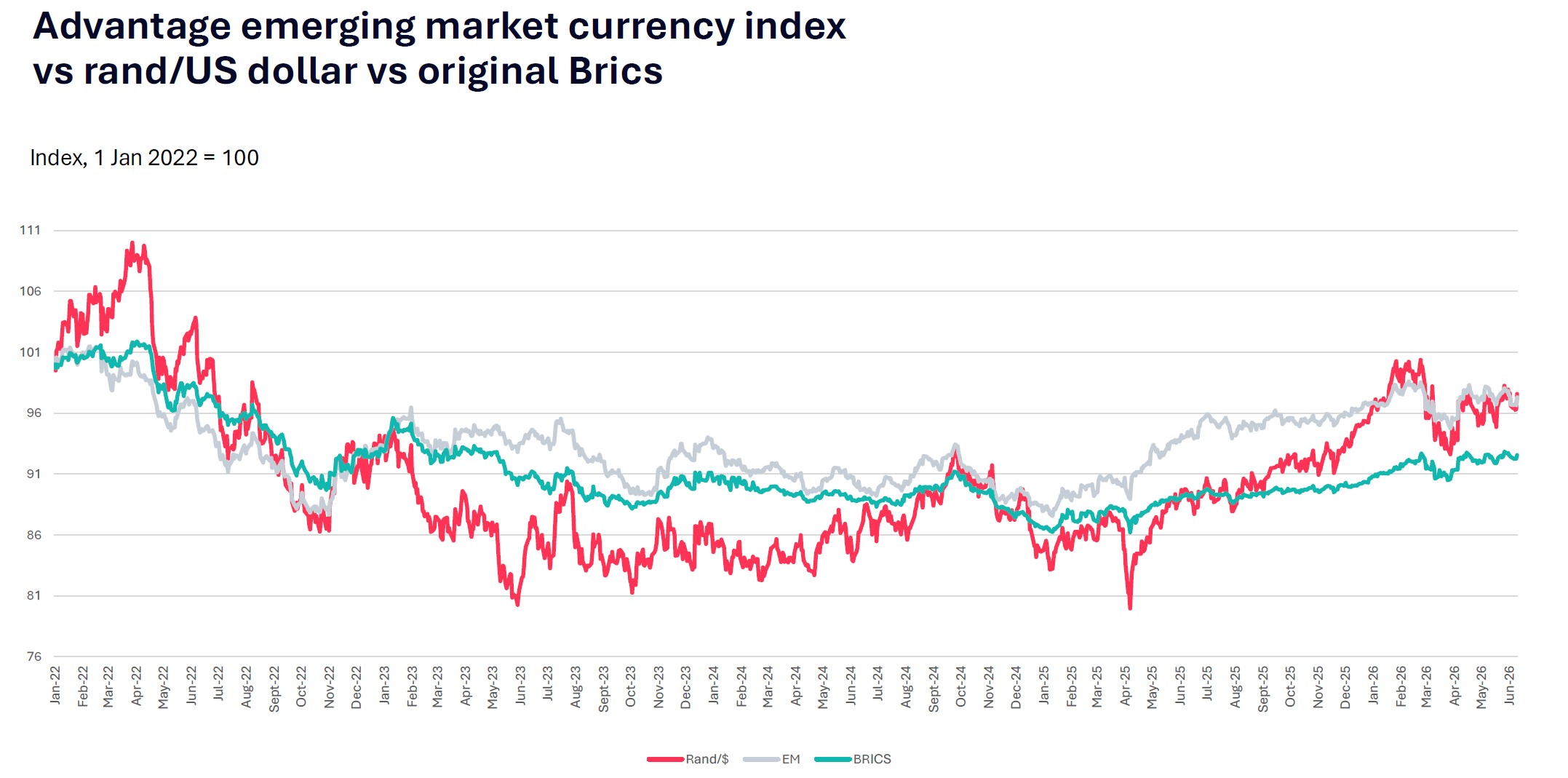
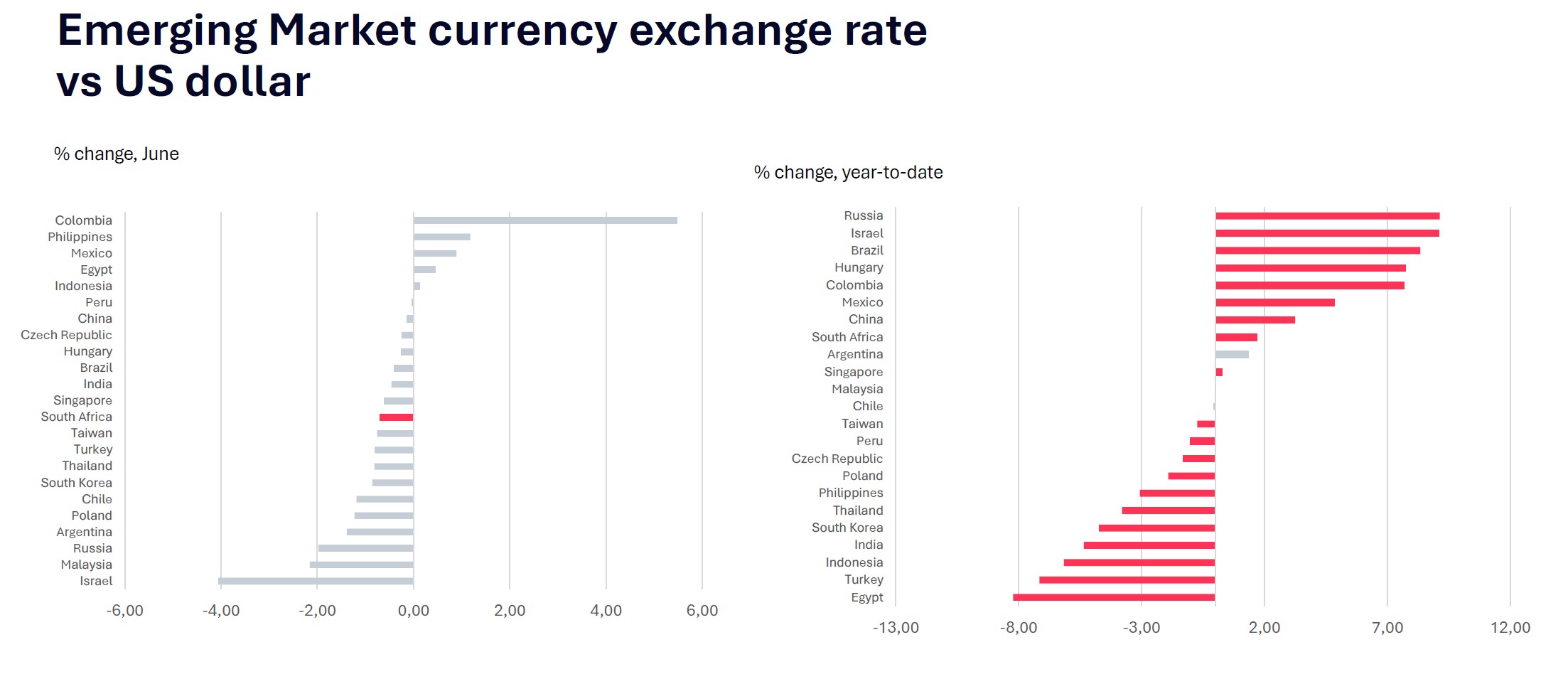
- In May, the rand gained 3.2% against the USD. This compares with the long-term monthly average:
• appreciation of 3.9%
• depreciation of -4.2%
Rand / Euro:
- In May the rand gained 4.0% against the EUR. This compares with the long-term monthly average:
• appreciation of 2.8%
• depreciation of -3.2%
Rand / British Pound:
- In May, the rand gained 3.9% against the GBP. This compares with the long-term monthly average:
• appreciation of 3.1%
• depreciation of -3.1%
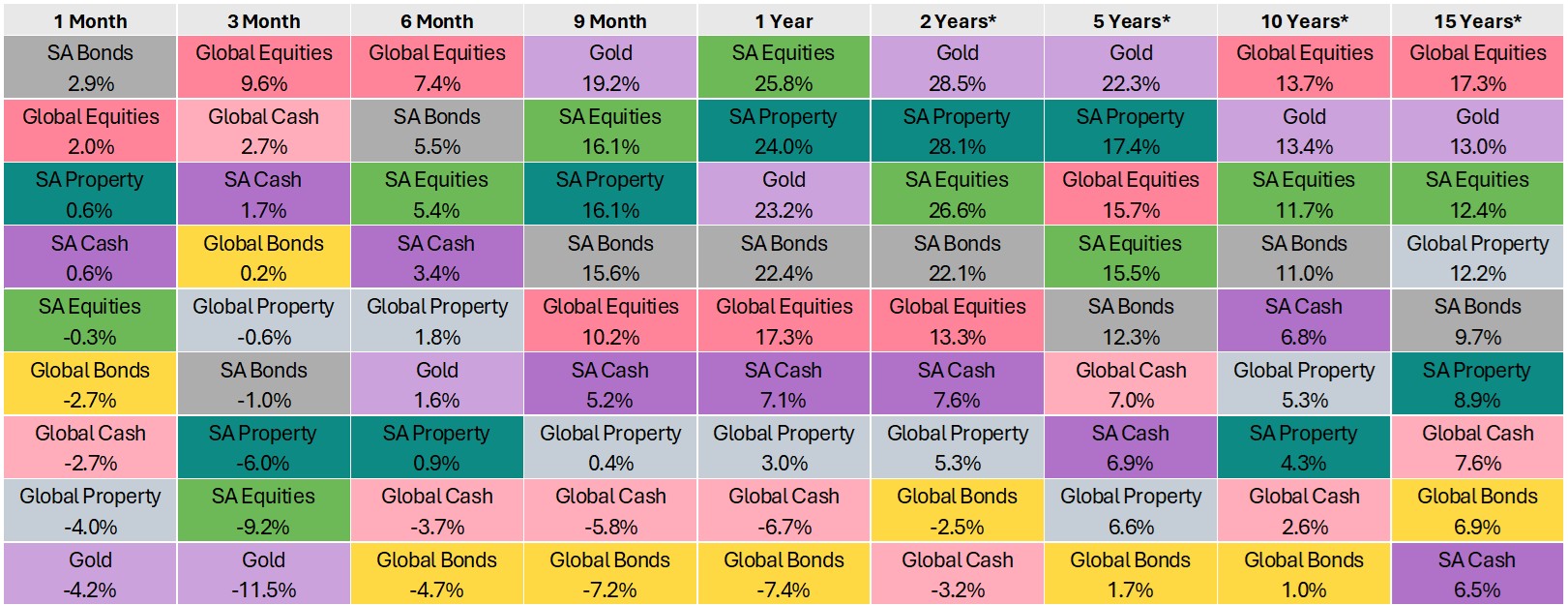
SMARTIE BOX IN RANDS:

LOCAL MARKETS
__________________
South Africa: inflationary pressures return as rates move higher
South African markets faced a more challenging environment in May as rising inflation, higher interest rates and growing pressure on consumers weighed on sentiment. While global markets rallied strongly, local equities struggled to gain traction, particularly in sectors exposed to household spending.
Inflation accelerated to 4.0% in April, its highest level since August 2024, driven primarily by a sharp increase in fuel costs. This prompted the South African Reserve Bank to raise the repo rate by 25 basis points to 7.00%, reinforcing its commitment to maintaining inflation within its target range and signalling a more cautious policy stance.
The impact of higher prices and borrowing costs is becoming increasingly evident in the consumer sector. Retailers continued to report weaker trading conditions as households faced mounting pressure on disposable incomes from elevated fuel costs and broader inflationary pressures. Concerns around potential food price increases later in the year, linked to developing El Niño weather risks, added to the cautious outlook.
Financial companies remained relatively resilient, supported by healthy corporate credit demand and stronger banking earnings, while the Resources sector came under pressure as gold prices retreated and mining shares weakened. As a result, the broader local market lagged many of its global counterparts despite easing geopolitical tensions and a softer oil price environment.
There were, however, encouraging developments on the fiscal front. Moody’s revised South Africa’s sovereign outlook to positive while affirming the country’s credit rating, citing improving fiscal performance, structural reform progress and a gradual stabilisation in government finances. This provided a measure of support for longer-term investor confidence.
Overall, May highlighted the growing tension between improving fiscal fundamentals and a more difficult environment for consumers. While South Africa continues to benefit from reform momentum and greater fiscal discipline, higher inflation, rising interest rates and pressure on household spending remain key challenges for the domestic economy.
Is Cheaper Always Better in retirement?
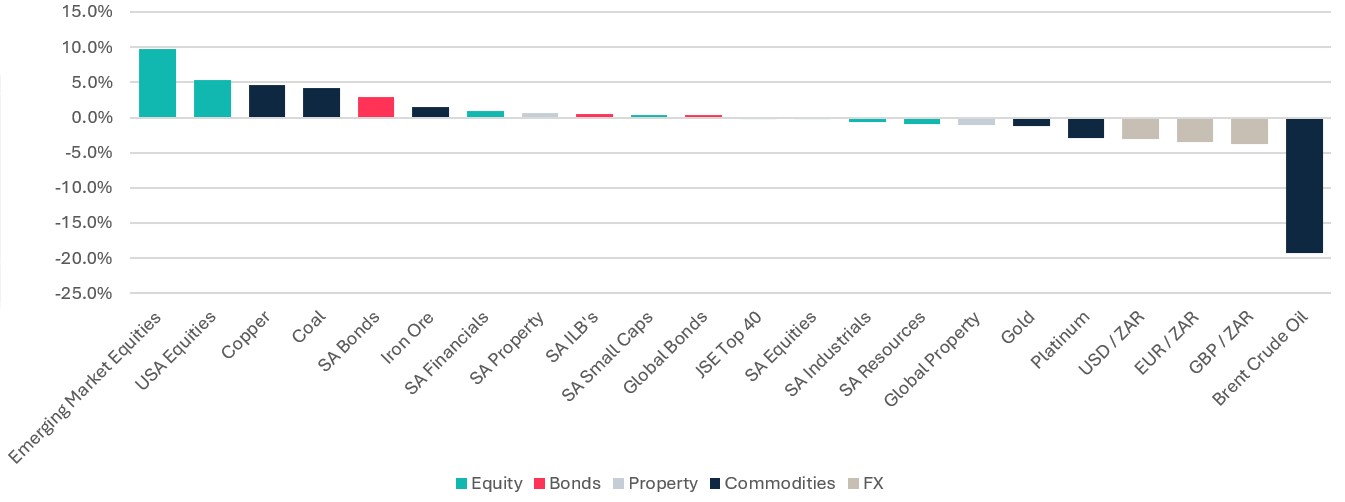
- The JSE All Share ended a volatile month slightly lower, down 0.3%.
- Financials (up 0.9%) managed to end the month in positive territory, while Industrials (down 0.7%) sank, and Resources (down 1.0%) lagged.
- Small-caps (up 0.4%) gained slightly, while Mid-caps (down 3.6%) tumbled, and Large-caps (down 0.2%) stumbled lower, broadly in line with the JSE All Share Index.
- SA Property continued their positive momentum from April, as the ALPI gained 0.6% and S&P SA REIT Index delivered 1.0%.
- SA Nominal Bonds (up 2.9%) posted a strong month, while Inflation-Linked Bonds (up 0.5%) inched higher as concerns around inflation grew.
- Emerging Market Equities were the standout performers globally, with the MSCI Emerging Market Index returning (up 9.7%), while developed markets lagged, as the MSCI World Index returned gains of (up 4.6%).
- The Rand strengthened against most major currencies. The rand enjoyed similar gains against the US Dollar (Rand appreciated 3.0%), against the Euro (Rand appreciated 3.5%), and against the Pound Sterling (Rand appreciated 3.8%).
- Resources experienced large selloffs across the board, as Gold prices (down 1.2%) fell, Platinum (down 2.9%) dropped off steeply, and Brent Crude (down 19.3%) ended lower after declining consistently over the month.
MONTHLY RETURNS: